
The Collector Community
A space where experience levels meet, research is shared, and collecting knowledge grows through exchange.
Why Collectors Learn Better Together
Experienced collectors carry knowledge that isn't written anywhere. The particular feel of a well-worn piece of original hardware. The subtle difference in color temperature between period blue-and-white and modern reproduction. The way a certain kind of crazing develops on genuinely old glaze versus a deliberately aged surface. This is knowledge that lives in practice, not in books.
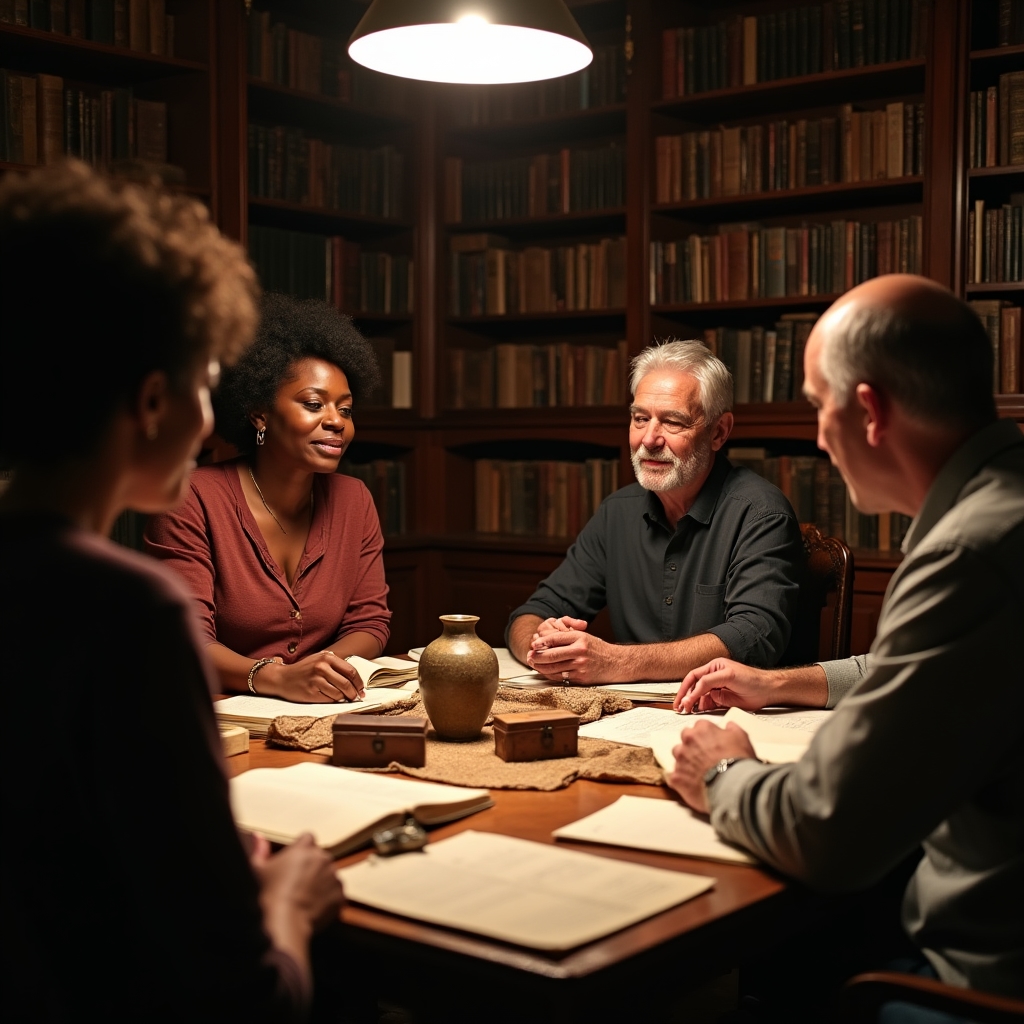
Community creates the conditions where that kind of knowledge can transfer. When an experienced collector describes what they're seeing in a photograph, when a study group works through the same object from different angles, when someone asks a question that nobody had thought to ask, the group's collective understanding moves forward together.
The Dutefo Fesuzi community is designed around that kind of knowledge exchange. It complements the curriculum without replacing it.
Community Features
Category-Organized Discussion
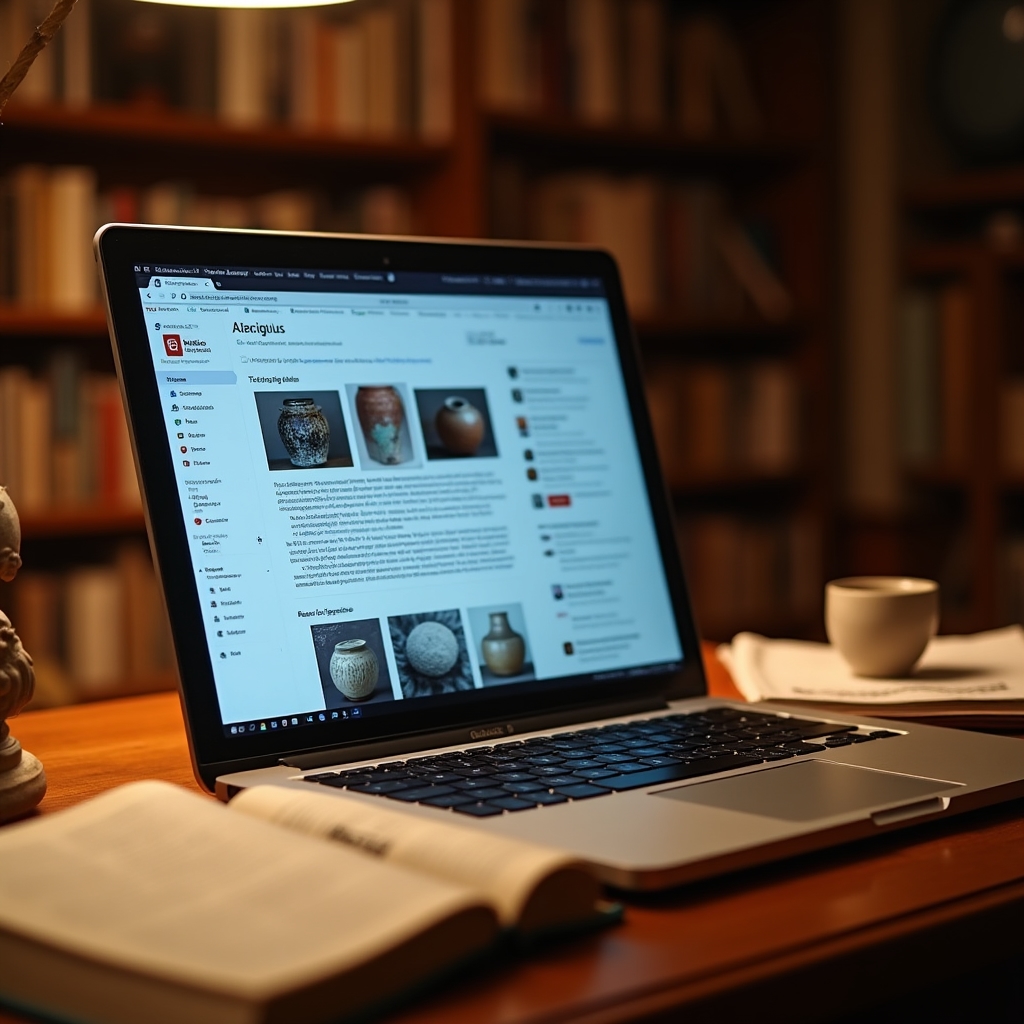
Forums are organized by collecting category, with dedicated spaces for ceramics, furniture, textiles, paper, and general collecting topics. Each category has sub-sections for identification questions, research sharing, care questions, and general discussion.
The identification sub-section is the most active. Members post photographs and whatever background information they have; other members respond with observations, research leads, and considered opinions. The thread format means the reasoning is visible, not just the conclusion.
Study Groups
Small groups of six to ten members focused on a specific category or period. Each group meets monthly via video call to work through a shared study object or topic. Groups form around shared interest and tend to develop their own character over time.
Resource Library
A curated collection of reference materials, annotated reading lists, research guides, and links to institutional resources. Organized by collecting category and maintained by community members. Contributions are reviewed before addition to maintain quality.
Live Sessions
Monthly live video sessions covering specific topics: a particular maker's marks, a regional furniture tradition, how to read a specific kind of wear pattern. Sessions include object walkthroughs and structured Q&A. All sessions recorded for members.
Research Exchange
A structured space for sharing research findings. Members post documented research on specific makers, periods, or object types, building a community-authored reference that supplements published sources with original fieldwork.
How the Community Operates
Collector knowledge varies enormously. Someone new to ceramics may have deep expertise in textiles. An experienced collector in one regional tradition may know almost nothing about another. The community works best when those differences are treated as assets rather than hierarchies.
Discussion norms emphasize showing reasoning, not just conclusions. When someone shares an identification opinion, they describe what they're seeing and why it leads them there. This approach builds collective knowledge rather than creating dependence on individual authority.
The community does not function as an appraisal service. Members share knowledge and observations. Acquisition decisions remain the responsibility of the individual collector.
Ready to connect with other collectors?
Reach out to learn more about how the community works and how to get started. We're happy to answer questions before you decide whether it's right for your collecting practice.