
Our Approach to Collector Education
Structured learning built around observation, research, and the physical evidence that objects carry.
Knowledge That Comes From Objects, Not Just Books
The standard approach to collector education relies heavily on taxonomy: here are the major periods, here are the important makers, here are the marks to look for. That information has value. But it doesn't teach you to look.
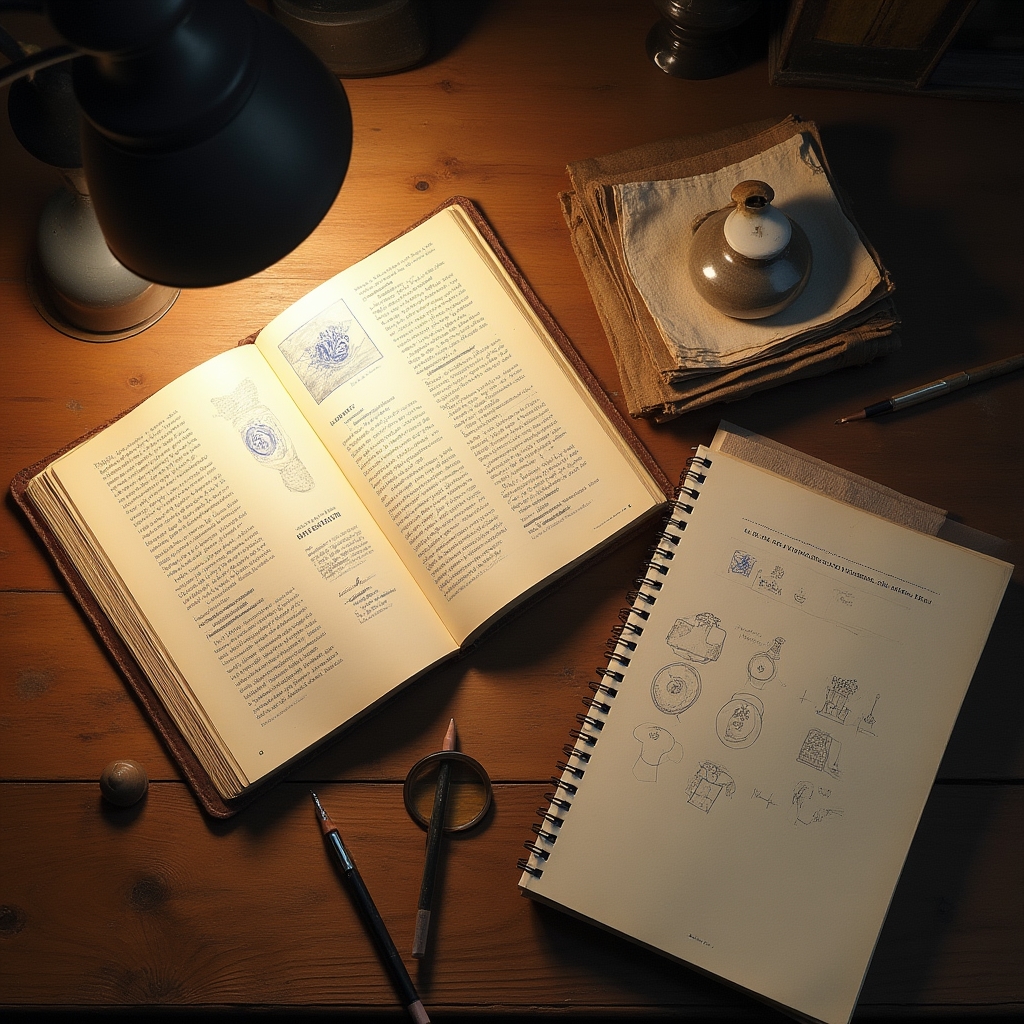
Our curriculum is built around objects first. Each lesson begins with physical evidence: a photograph of a construction detail, a maker's mark, a glaze characteristic, a wear pattern. You practice observation before you reach for explanation. Then research methods give you the tools to pursue what observation surfaces.
This approach develops the kind of knowledge that holds up in the field. You're not memorizing categories; you're building a practiced eye and a research habit that transfers across objects you've never seen before.
Four Areas of Study
Ceramics and Glass
This module moves from foundational identification skills through the major American, European, and Asian ceramic traditions. You'll learn to read glazes, identify firing methods, interpret maker's marks, and recognize the period characteristics that date a piece. Glass receives parallel treatment, covering pressed, blown, and cut techniques alongside the major manufacturers and the reproductions most commonly encountered in the market.
Furniture and Decorative Objects
Furniture is the most complex collecting category because it accumulates evidence over time rather than simply displaying its manufacture. Joinery methods, secondary woods, hardware, finish, and surface wear all tell different parts of the story. This module teaches systematic examination: what to look for, where to look, and how to weigh conflicting evidence. American furniture periods receive the most detailed treatment, with European and Asian furniture covered as context and comparison.
Textiles and Needlework
Textiles age in distinctive ways, and understanding those patterns separates confident identification from guesswork. Fiber content, weave structure, dye chemistry, and construction technique all carry period information. This module covers quilts, hooked and woven rugs, samplers, lace, and printed fabrics across American and European traditions. Special attention goes to condition issues specific to textiles: fading, fiber degradation, pest damage, and the permanent versus reversible nature of various cleaning approaches.
Research Methods and Documentation
Research is what separates a well-informed collector from a lucky one. This module teaches you to navigate auction archives, trade catalogs, patent records, period advertisements, and institutional collections as primary sources. You'll learn to build a research file for individual objects, cross-reference findings across sources, and document your conclusions in ways that remain useful as your collection grows. Provenance research receives detailed treatment, including what to look for, what to be skeptical of, and how to record what you find.
Cleaning and Conservation: What Collectors Need to Know
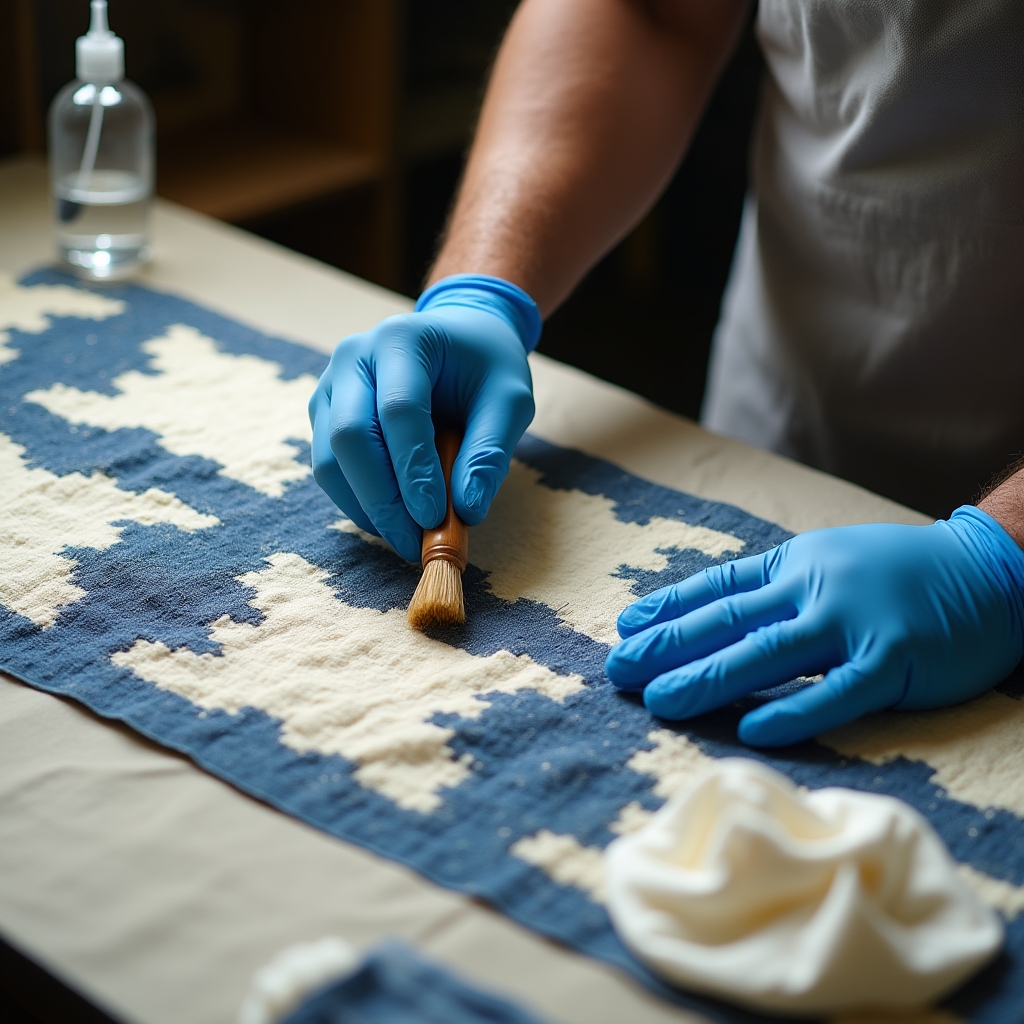
Most cleaning mistakes are irreversible. Aggressive cleaning removes patina that took generations to develop, dissolves original finishes, and permanently alters the character of an object. The impulse to clean is understandable. The knowledge to do it safely or to recognize when not to is what this curriculum provides.
Lessons cover appropriate cleaning methods for each material category, the products and techniques that cause harm, and the signs that indicate professional conservation is the right choice. Knowing when to stop is as important as knowing how to proceed.
Ready to develop a more informed approach to collecting?
Explore individual coaching options or connect with the broader community of collectors who are working through the same questions you have.